What is a QR code, and what does QR stand for?
QR stands for quick response. Learn what a QR code is, what it can hold, where it came from and how to use one safely, explained in plain English.
Add LearnQRCode as a preferred source on Google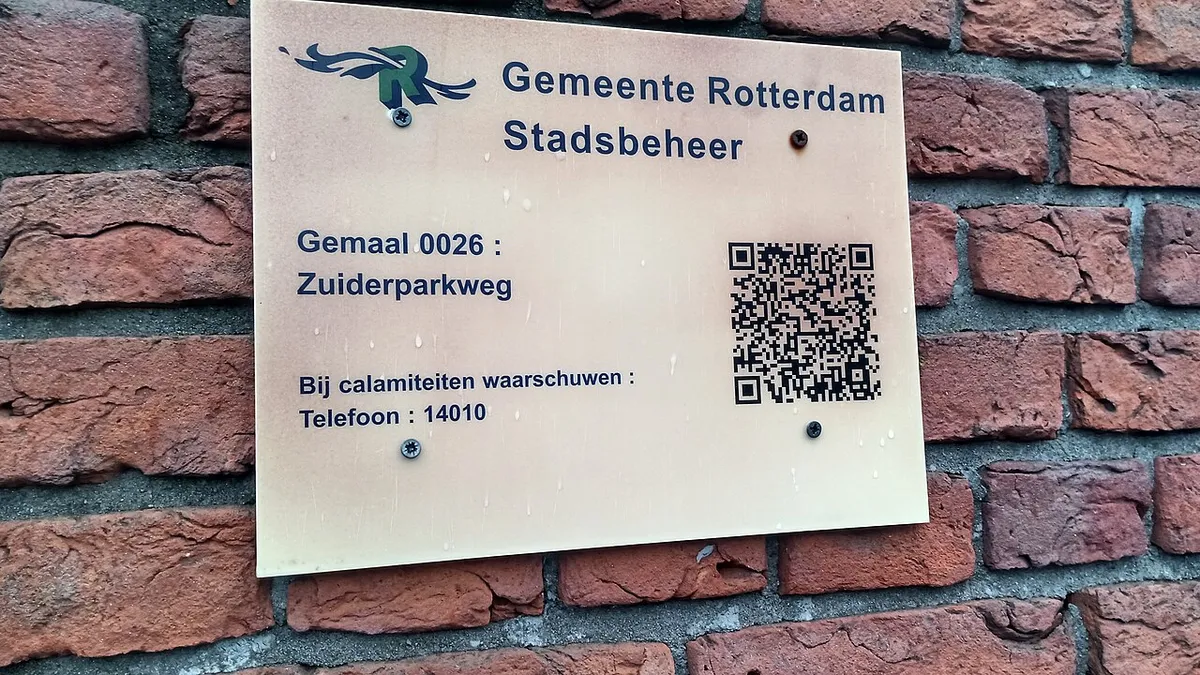
Quick answer
- QR stands for “quick response”, because the code was designed to be read very quickly.
- A QR code is a square 2D barcode that stores text, usually a web address, that a phone camera reads in a second or two.
- DENSO WAVE announced it in 1994, and anyone can use it free of charge.
At a glance
- 1QR means quick responseDesigned to be read fast
- 2A 2D barcode that stores dataUsually a web address
- 3Free to use since 1994Standard ISO/IEC 18004
- 4Check the link before opening
In this guide
A QR code is a small square pattern your phone reads to open a web page, join Wi-Fi or show some text. Here’s what the name means and what it can and can’t do.
What does QR stand for?
QR stands for “quick response”. DENSO WAVE, the Japanese company that developed it, says the project’s main purpose was a code that could be read quickly.
DENSO WAVE says the official name is “QR Code” and shouldn’t be treated as an acronym for “Quick Response Code”, though in everyday speech “quick response” is what the letters mean. “QR Code” is a registered trademark of DENSO WAVE INCORPORATED.
What is a QR code, exactly?
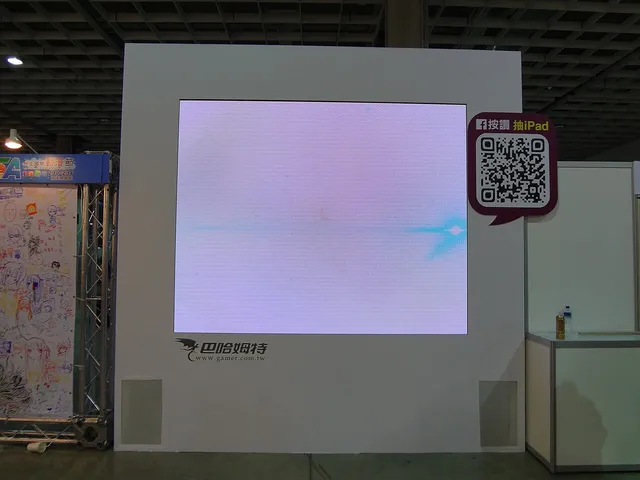
A QR code is a two-dimensional barcode. A product barcode stores data in one direction only; a QR code is a grid of black and white squares (modules) that stores data across and down, so it holds much more.
The code contains data, nothing more. Usually that’s a web address your phone offers to open. Other common contents:
- Wi-Fi network details
- Contact details (a digital business card)
- Plain text, such as a serial number
- A pre-filled email, text message or phone number
- Payment or ticket information read by a specific app
How much can a QR code hold?
DENSO WAVE’s maximums for the largest code (version 40, lowest error correction):
| Type of data | Maximum characters |
|---|---|
| Numbers only | 7,089 |
| Letters and numbers (alphanumeric) | 4,296 |
| Binary data (8-bit bytes) | 2,953 |
| Kanji characters | 1,817 |
An ordinary barcode holds about 20 alphanumeric characters, according to DENSO WAVE. Most QR codes hold far less than the maximum, because less data makes a simpler code that’s easier to scan. See how QR codes work.
Where did QR codes come from?
A small team led by engineer Masahiro Hara developed QR codes at DENSO WAVE, then a division of DENSO CORPORATION, for car-parts factories that needed a faster, higher-capacity code. It was announced in 1994.
Two decisions helped it spread:
- DENSO WAVE published the specification and said it would not exercise its patent rights, so it’s free to use.
- It became a standard: AIM International (1997), Japanese Industrial Standard (1999) and ISO/IEC 18004 (2000).
Full story: who invented the QR code.
What do the parts of a QR code do?
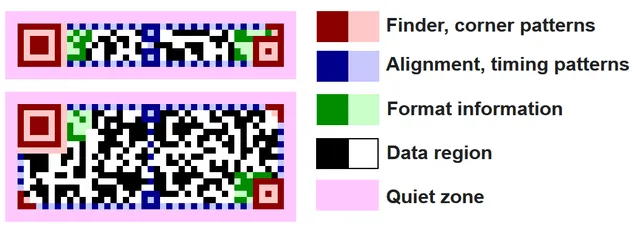
- Three large corner squares (position detection patterns) tell the scanner where the code is and which way up, so it reads from any angle.
- A blank border (the quiet zone) separates the code from its surroundings; the standard calls for four modules.
- Error correction restores roughly 7% to 30% of the data if part of the code is dirty or damaged, depending on the level chosen.
How do you scan a QR code?
Open the camera, point it at the code and tap the link that appears; usually no app is needed. See our guides for iPhone and Android.
QR code vs barcode
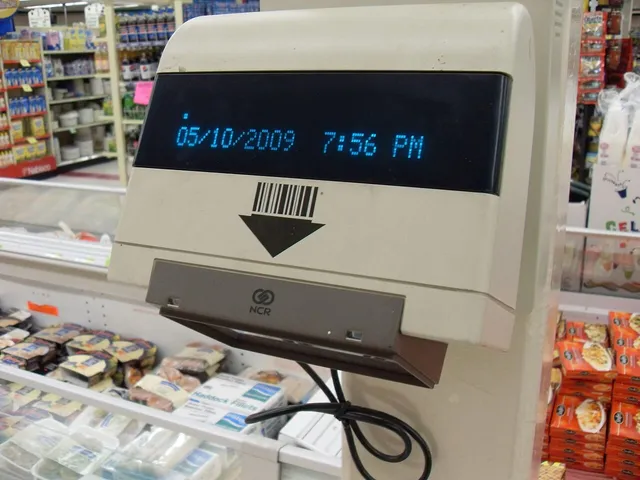
A product barcode carries a short number a shop’s system looks up. A QR code can carry the information itself, such as a full web address, and reads from any direction. See QR codes vs barcodes.
Are QR codes safe?
A QR code only contains data; the risk is where it sends you. Scammers stick fake codes over real ones or send codes in emails. The FBI advises checking the web address before opening it, looking for stickers over the original code, and downloading apps from your app store rather than through a QR code. Read our guide to QR code scams.
Key points
- QR means quick response.
- It’s a 2D barcode that stores data (usually a link) in a grid of squares.
- It’s free to use, standardised as ISO/IEC 18004, and readable by most phone cameras.
- It’s only as trustworthy as the link inside it.
Frequently asked questions
- What does QR stand for?
- QR stands for quick response. DENSO WAVE, the company that developed the code, chose the name because fast reading was the main goal. Its official name is simply “QR Code”.
- Is a QR code a barcode?
- Yes. A QR code is a two-dimensional (2D) barcode. Ordinary product barcodes store data in one direction only, while a QR code stores it both across and down, so it holds much more.
- Is it safe to scan QR codes?
- A QR code is just data, usually a link, so it is as safe as the link inside it. Check the web address your phone shows before you open it, and be wary of codes on stickers or in unexpected emails and texts.
- What are the three squares on a QR code?
- They are position detection patterns, also called finder patterns. They let a scanner find the code and work out its angle so it can be read from any direction.